Many drainage problems start with everyday habits. What seems harmless to wash down the sink, toilet, or external drain can gradually build up and create serious blockages over time.
At Pure Drainage, we regularly attend blocked drain callouts across Southampton that could have been avoided with a few simple changes. Understanding what should and shouldn’t enter your drainage system is one of the easiest ways to prevent costly repairs and disruption.
Why Drain Blockages Happen
Modern drainage systems are designed to carry wastewater away from your property efficiently. However, they aren’t designed to handle everything people put down them.
Over time, unsuitable materials can collect inside pipework, restricting flow and creating stubborn blockages. Once debris begins to build up, it often traps other materials passing through the drain, making the problem progressively worse.
What CAN Go Down Your Drains?
While it sounds obvious, only a few things should routinely enter your drainage system.
Kitchen Sinks
Kitchen sinks should generally only receive:
- Water
- Small amounts of liquid soap
- Wastewater from normal washing activities
Even then, care should be taken to prevent food waste from entering the system.
Toilets
Toilets are designed for:
- Human waste
- Toilet paper
Anything else significantly increases the risk of blockages.
What Should NEVER Go Down Your Drains?
Many of the drainage emergencies we attend in Southampton are caused by items that should never have entered the system in the first place.
Fat, Oil & Grease
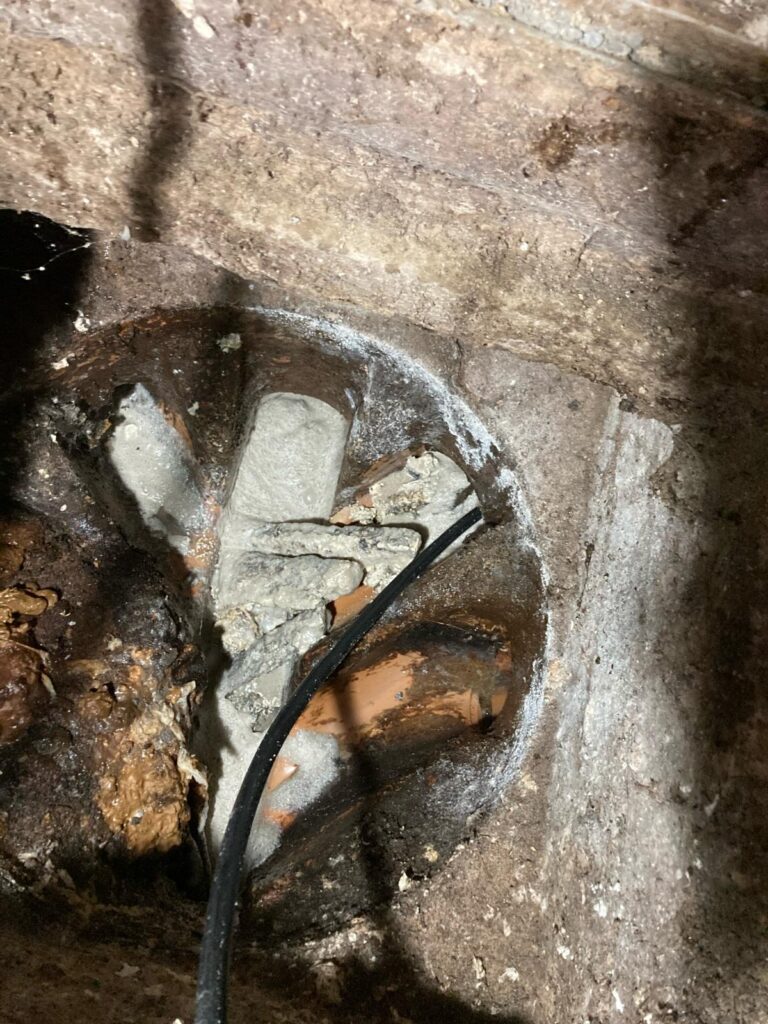
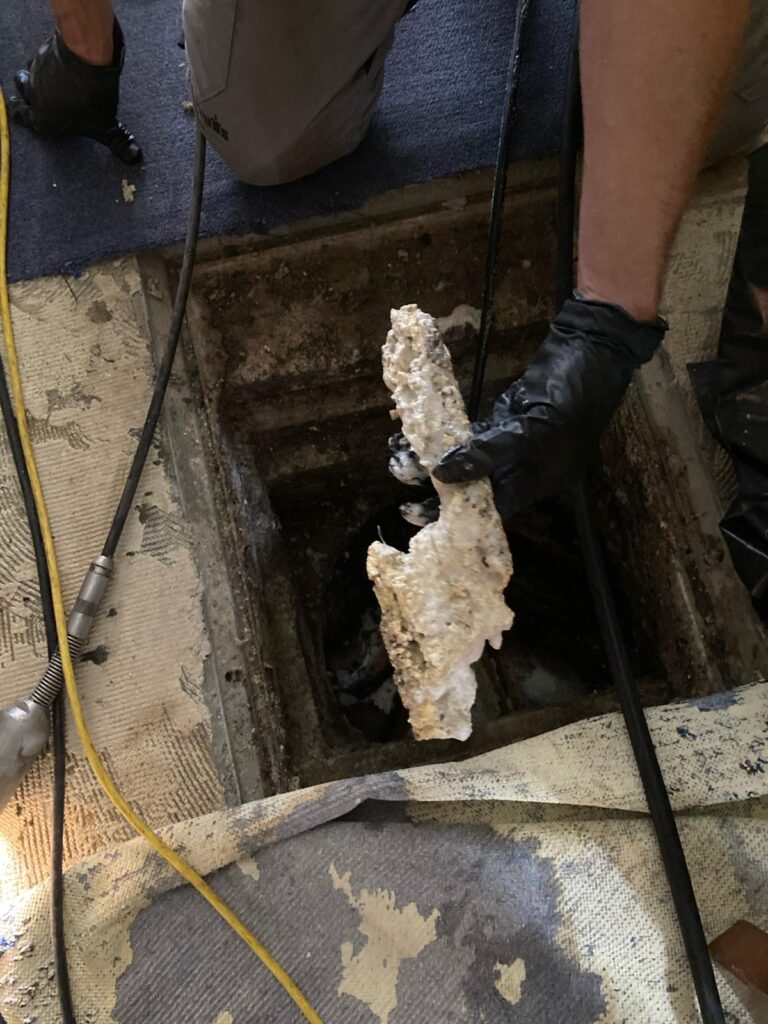
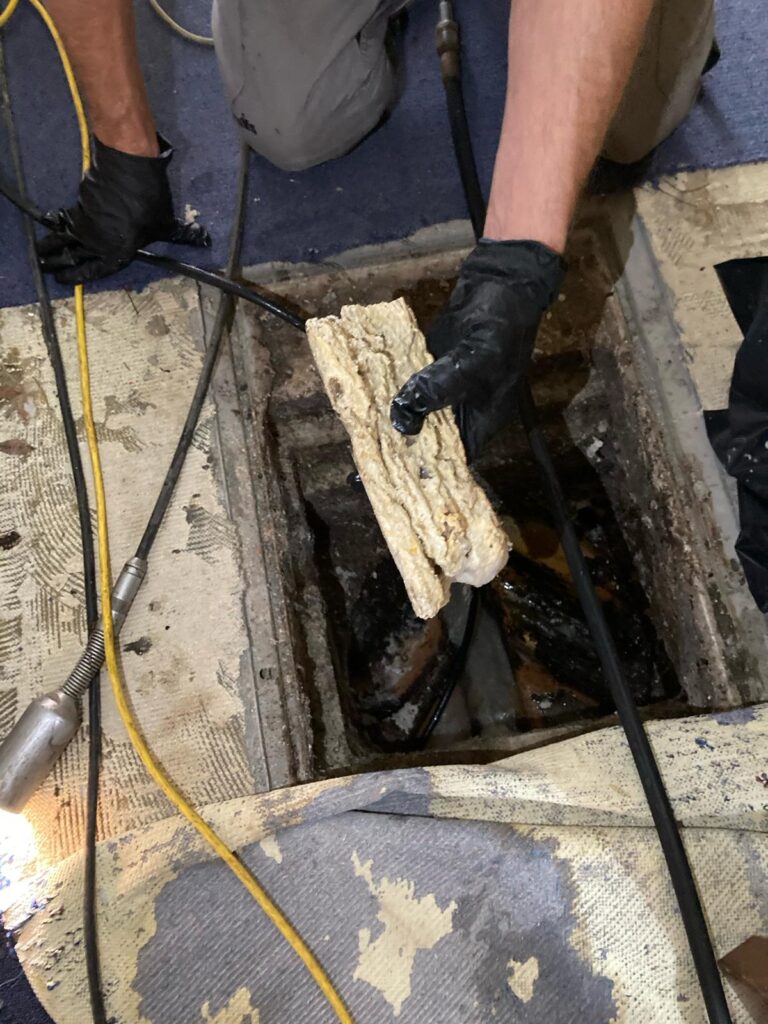
Grease is one of the biggest causes of blocked drains.
Although it may be liquid when poured away, it quickly cools and hardens inside pipes, creating stubborn obstructions that trap other debris.
Instead, allow grease to cool and dispose of it in a suitable container.
Wet Wipes
Even wipes labelled as “flushable” can cause significant drainage issues.
Unlike toilet paper, wipes do not break down quickly and can accumulate inside pipes and sewers.
Food Waste
Rice, pasta, coffee grounds, vegetable peelings, and other food waste can build up surprisingly quickly.
Using a food waste bin is always a safer option.
Sanitary Products
Tampons, sanitary towels, cotton pads, and similar products are designed to absorb moisture and expand, making them particularly problematic for drainage systems.
Paint, Cement & Building Materials
These substances can harden within drainage systems and are often extremely difficult to remove once set.
Construction waste should always be disposed of correctly rather than washed into drains.
Commercial Drainage Risks
For businesses, drainage misuse can lead to even bigger problems.
Restaurants, cafés, schools, offices, and industrial premises all place greater demand on their drainage systems. Without proper waste management procedures, blockages can quickly develop and disrupt operations.
Common commercial drainage issues include:
- Fat and grease build-up
- Excessive food waste
- Silt accumulation
- Foreign objects entering drainage systems
Regular maintenance can help identify and prevent these issues before they become costly emergencies.
Signs Your Drains May Be Struggling
If unsuitable materials have already entered the system, there are often warning signs before a complete blockage occurs.
These include:
- Slow-draining sinks or toilets
- Gurgling sounds from pipework
- Unpleasant odours
- Water backing up
- Recurring blockages
The earlier these signs are addressed, the easier the problem is usually to resolve.
How to Keep Your Drains Healthy
Good drainage maintenance starts with prevention.
Simple habits such as disposing of grease correctly, avoiding flushing wipes, and keeping food waste out of sinks can significantly reduce the risk of blockages.
For commercial premises and larger properties, regular drain inspections and maintenance provide an extra layer of protection.
Need Help with a Blocked Drain in Southampton?
Even with the best prevention measures, drainage issues can still occur. When they do, professional equipment and expertise can quickly identify the cause and restore normal flow.
Whether you’re dealing with a domestic blockage or a commercial drainage problem, early action helps prevent more extensive damage and costly repairs.

Do you need help from our experts?
Give us a call today to get expert advice and support from our experienced team.